

Airveek field guide
Food Storage Container Detail Product Photo: Show Lid Fit and Stack Scale
For a clear stackable food storage container, make the detail photo prove what a shopper can inspect: the lid-to-rim fit, the visible seal interface, and the container's stacking relationship. Start from the supplied empty product reference, keep the transparent geometry unchanged, use a tight oblique crop with controlled light, and reserve filled pantry context for a separate lifestyle image.
Search task: food storage container detail product photo
Written by LIKA
The buyer question
Which detail should this food storage container product photo prove before a shopper buys?
Your starting product
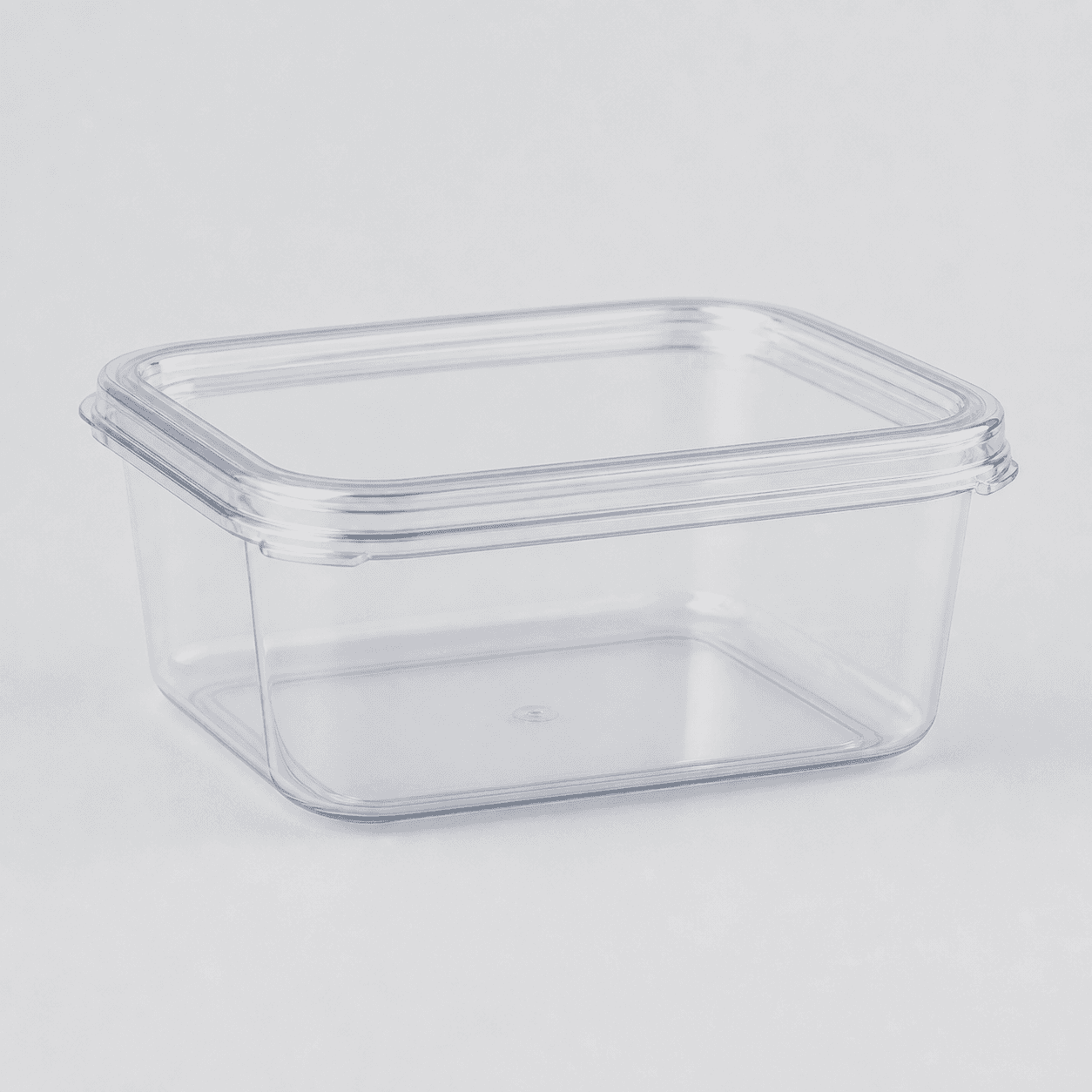
Start with a clear photo that shows the full product and the details shoppers need to see. Keep this reference nearby while you generate, compare, and refine each image.
Quick setup
- Goal
- Ecommerce detail image and supporting product-page view
- Output
- 1024x1024
- Goal
- store-listing
- Mode
- product-scene
- Scene
- studio
Example Airveek result

How to create it
1. Upload the two identity references
Upload the supplied storage-container image first and the supplied fictional morrow logo reference second. Keep the container's exact clear shape, lid, seal interface, and transparent walls unchanged, and use only the lowercase morrow wordmark with its two sparkle stars as the brand mark.
2. Choose the detail job
Open Airveek's Product & Fashion Photoshoot creator at /create/product-fashion. Select Mode: product-scene, Scene: studio, and Goal: store-listing, then describe a close-up detail image rather than asking the same frame to cover listing and lifestyle jobs.
3. Protect the lid and scale cues
Use a readable oblique angle with the lid edge, rim, and seal interface in focus. Keep the empty interior visible, use controlled commercial light to separate transparent edges from the pale background, and keep the container large enough to inspect in a square crop without adding an unprovided scale object.
4. Review at full size and thumbnail size
Compare the result with the supplied source at full size and at 240x240. Reject any altered geometry, hidden lid fit, duplicate or extra container, invented text, invented dimensions, or product claim. Export the largest available original only after checking the destination's current image rules.
Tested prompt
Use the supplied clear stackable food storage container image as the identity reference and the supplied fictional morrow logo reference as the second input. Keep the exact lowercase wordmark "morrow" and its two sparkle stars as the product's only brand mark; place it naturally on the product or package without inventing other readable words. Create one close-up ecommerce detail product photo for one clear stackable food storage container. Keep the exact rectangular container shape, fitted lid, seal interface, transparency, material, and any visible label unchanged. Frame the lid-to-rim fit and stacking interface at a readable oblique angle; keep the empty interior visible, place the product large in a square-safe composition, and use controlled commercial light so the transparent edges and seal line separate from the pale background. Do not invent dimensions, capacity, airtight or leakproof claims, extra containers, food, utensils, readable text, watermarks, retailer logos, or promotional overlays.Recorded settings
- Goal
- store-listing
- Mode
- product-scene
- Scene
- studio
Common problems and fixes
Problem: A straight-on result identifies the container but flattens the lid depth and makes the seal interface harder to inspect.
Fix: Repeat the oblique-angle direction, keep the lid edge and rim in focus, and use soft controlled light to preserve transparent edge separation.
Problem: The prompt asks the image to prove airtightness, leak resistance, capacity, or exact stack height.
Fix: Show only the visible lid, rim, seal interface, and stacking relationship. Verify performance, dimensions, and capacity in the product information instead of inferring them from the picture.
What to double-check
- The available Airveek capture contains three saved variations from one run, not independent listing, lifestyle, and detail jobs. Use it as a composition reference and create separate outputs when each image needs one job.
- The captured result predates the supplied morrow logo reference. Re-run the prompt with both supplied references and review the mark before using a branded final.
- The supplied image shows an empty clear container with a fitted lid. It does not establish capacity, dimensions, material grade, food-safety, microwave or freezer use, airtightness, or leak resistance.
- A close crop can make the lid interface readable, but it cannot prove seal performance or exact stack height without matching product units and verified specifications.
Why this works
A transparent container can disappear when its lid edge and walls blend into the background. This direction makes the lid-to-rim relationship and stacking interface the first things the crop protects, while the empty interior shows what is actually visible. It is intentionally different from a clean listing image or filled pantry scene: the detail job is for inspection.
Before you export
- Upload the supplied container source first and the exact supplied morrow logo reference second; keep the lowercase wordmark and two sparkle stars unchanged.
- Compare the generated silhouette, fitted lid, transparent walls, seal interface, and visible label with the supplied source.
- Keep the lid-to-rim relationship and stacking interface visible, with controlled light separating the transparent edges from the background.
- Do not add a second container or scale object unless a matching unit is supplied; never imply dimensions or capacity from perspective alone.
- Check the square result at full size and 240x240; reject hidden detail, warped geometry, invented text, extra products, and unverified claims.
- Verify capacity, food-safety, microwave or freezer use, airtightness, leak resistance, and all other product specifications separately.
Common questions
Which detail should a food storage container photo prove?
It should let a shopper inspect the lid-to-rim fit, the visible seal interface, the transparent walls, and the stacking relationship. That is visual proof of what is present in the frame, not proof that the container is airtight, leakproof, or a particular size.
Should the detail photo show the container empty or filled?
Keep the detail frame empty when the goal is lid fit and interior visibility. Use a separate lifestyle or pantry image to show everyday context and what appears to fit, without letting food or props cover the lid, rim, or transparent walls.
How can I show stackability without inventing dimensions?
Protect the visible stacking interface and use perspective carefully. Do not add a second container or scale object that was not supplied, and do not turn the crop into a dimension claim. If an actual stack must be shown, use matching units from the product set and verify the specifications separately.
How do I keep a clear container readable on mobile?
Make the container large in the square-safe frame, keep the lid edge and seal line in focus, use controlled light for edge separation, and remove competing props. Check the result at full size and 240x240 before export, then confirm the destination's current image requirements.
Further reading
- Image SEO Best Practices — Google Search Central
- The Complete Guide to Ecommerce Photography — Shopify
- Marketplace/category reference for stackable food storage containers — Amazon marketplace reference
- Image link [image_link] - Google Merchant Center Help — Google Merchant Center Help
- The Complete Guide to Ecommerce Photography — Shopify